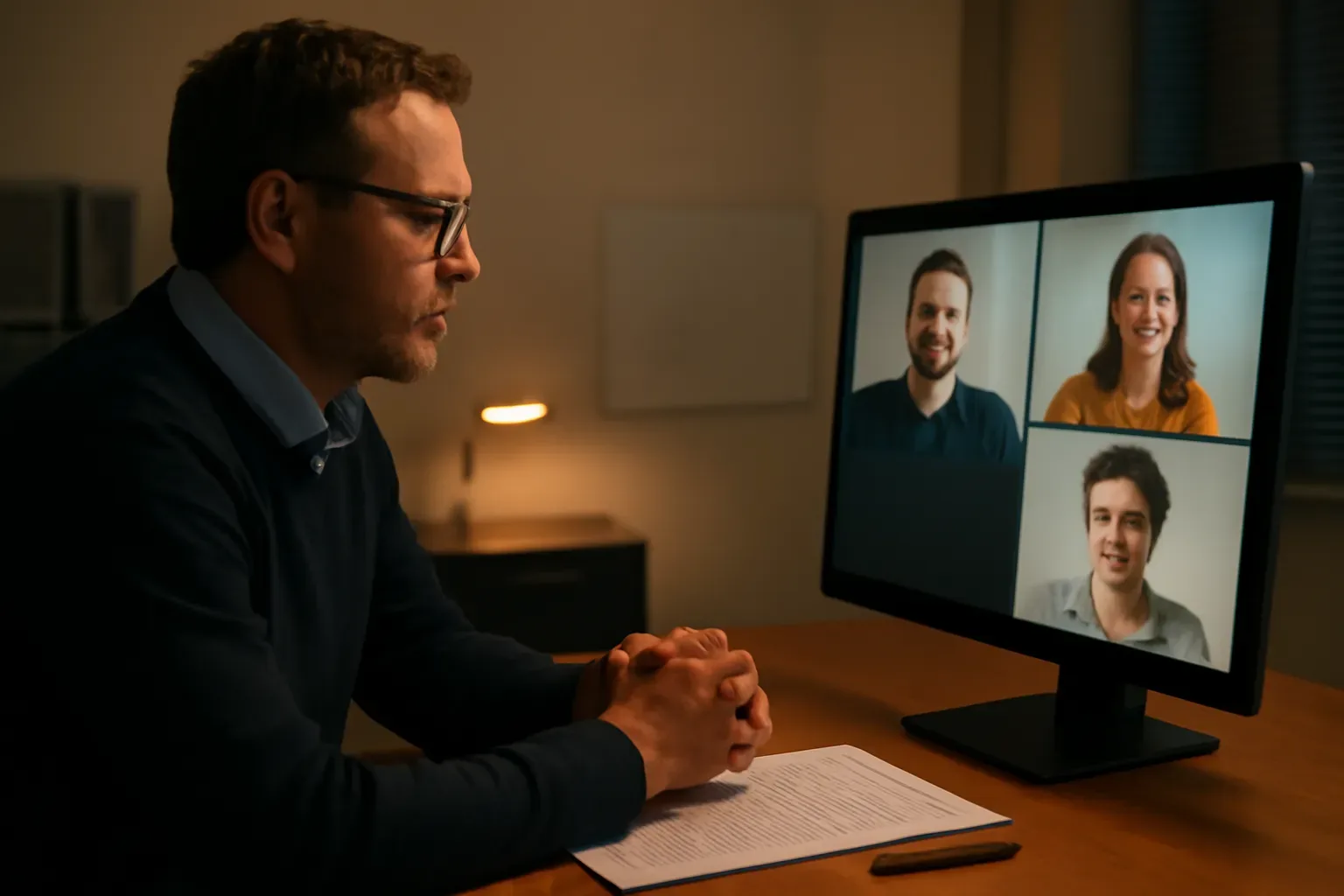
In most collaborations, the people doing the largest share of the day-to-day work — doctoral students, research assistants, early-career staff — are the quietest in the meetings.
This is easy to read as shyness or as a language problem. It is usually neither, and treating it as either means the project loses information it needs.
Why they stay quiet
Five reasons, and the first two are the ones foreign collaborators most often miss:
Speaking over a senior person carries a cost. In many settings, contradicting or even adding to what a senior colleague has said in front of others is read as presumptuous. The junior person is managing a relationship that continues long after your project ends.
They have not been asked. If the senior person on their side speaks for the group, that is the arrangement, and it will not change because you find it inefficient.
Language, but not in the way you think. Many can read and write well and still find real-time discussion in a second language hard — especially when the call is at nine in the evening their time.
They do not know their input is wanted. Nobody told them the meeting was a place where they should contribute.
They are unsure what they are allowed to commit to.
What this costs the project
Three concrete losses:
The person who collected the data knows things about it that nobody else does — which sites were difficult, which measurements they distrust, what participants actually said. This information reaches the paper only if they are asked.
Problems surface late. The junior person usually sees a problem first and has the least standing to raise it.
You lose the next generation of collaborators. The students in this project are the people you will work with in ten years — if they have a reason to stay in touch.
Creating space
Six practices, in order of how much they change:
Ask them directly, by name. Not "does anyone have anything to add" — that produces silence. "Minh, you ran these sessions — what did you notice?" names the person and names why their view matters.
Ask about what they did, not what they think. A question about their own work is answerable; a question inviting an opinion on a senior person's plan is not, in this setting.
Send the agenda in advance so they can prepare. This does more for contribution quality in a second language than anything else.
Offer a written channel. Many will write a thoughtful two paragraphs after the meeting when they said nothing during it. Ask for that explicitly and treat it as equal to what was said aloud.
Have a separate, smaller meeting — a technical session with just the people doing the work. Different dynamic, different information.
Clear it with their supervisor first. Going around the senior person on their side creates a problem for the junior person that you will not see. Say plainly that you would like to hear from the team members directly, and ask how best to do that.
Giving them something real
Four things that change a junior person's trajectory and cost the project nothing:
A defined piece of work they own — a work package, an analysis, a section — with the authority that goes with it.
Authorship reflecting what they did, discussed early rather than settled at drafting.
A chance to present. A conference talk, a session at a project meeting. Put your name behind the introduction.
An introduction to two or three people in your network. This is the cheapest thing on the list and frequently the most valuable.
Feedback
Three points where foreign collaborators commonly misjudge:
Direct written criticism lands harder than intended. A marked-up draft covered in blunt comments reads differently to someone for whom this is a first experience of international review.
Say what the comments mean: that a heavily edited draft is normal, that it is about the text and not the person, and that you would do the same to a colleague's work.
Give the reasoning, not just the correction. Rewriting their sentence teaches nothing; explaining why the original did not work teaches the next twenty sentences.
Say what was good. Not as politeness — because they cannot tell which parts to keep doing.
Four things not to do
Do not push someone to speak who has signalled they do not want to. Public discomfort is not participation.
Do not treat their silence as agreement.
Do not bypass their supervisor on anything affecting their work or their time.
Do not comment on the hierarchy in front of them. Observations about how a partner institution is organised put the junior person in an impossible position, whatever you think of the arrangement.
One question worth asking
At the end of a project, ask the junior members directly: what did you get out of this, and what would have made it more useful to you?
The answers are usually specific and easy to act on — and asking at all signals something that most of them will not have been asked before.
Why do junior members stay quiet in meetings?
Because speaking over a senior person carries a real cost in the relationship they must maintain after your project ends, because they have not been asked, and because real-time discussion in a second language late in their evening is hard.
How should you invite their contribution?
Ask them directly by name about work they did themselves — 'does anyone have anything to add' produces silence, and a question inviting opinion on a senior person's plan is unanswerable in that setting.
What does the project lose by not hearing them?
The person who collected the data knows things nobody else does, problems surface late, and you lose the collaborators of the next decade.
What should you avoid?
Pushing someone to speak who signalled otherwise, reading silence as agreement, bypassing their supervisor, and commenting on the hierarchy in front of them.